When shopping for an engagement ring, more people are asking about the story behind the stone. Questions like what “are ethical diamonds” or “what are conflict free diamonds” reflect a growing desire for jewellery that represents not only love, but also responsibility.
In this guide, you’ll understand what makes a diamond ethical, how it differs from conflict-free, and how you can ensure your choice is as beautiful in origin as it is in design.
At its simplest, an ethical diamond is one that has been sourced responsibly, with care for both people and the environment. The term usually covers:
In other words, what “ethical diamonds” mean goes beyond avoiding harm. It is about creating positive impact while still delivering exceptional quality.
Many also ask, what does “conflict-free diamonds” mean and how does it differ from ethical. Conflict-free diamonds are certified not to have funded armed conflict, most notably through the Kimberley Process. While important, this standard addresses only one issue: war financing.
But ethical diamonds go further. They also consider labour rights, fair wages, community support, and environmental responsibility. So, while all ethical diamonds are conflict-free, not all conflict-free diamonds meet the higher bar of being truly ethical.
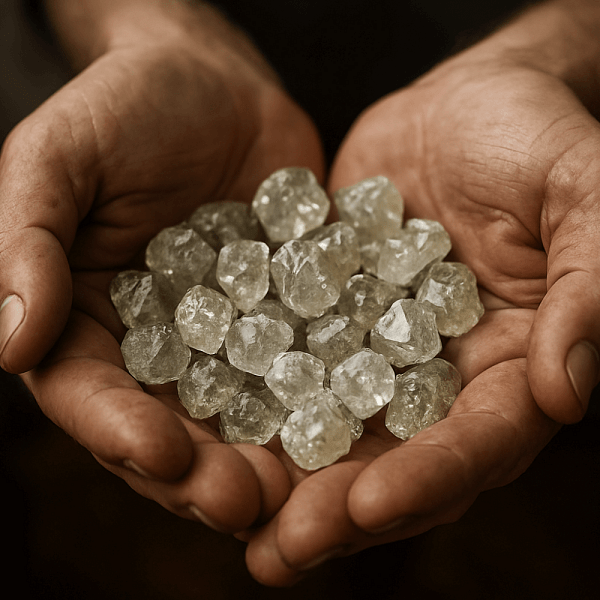
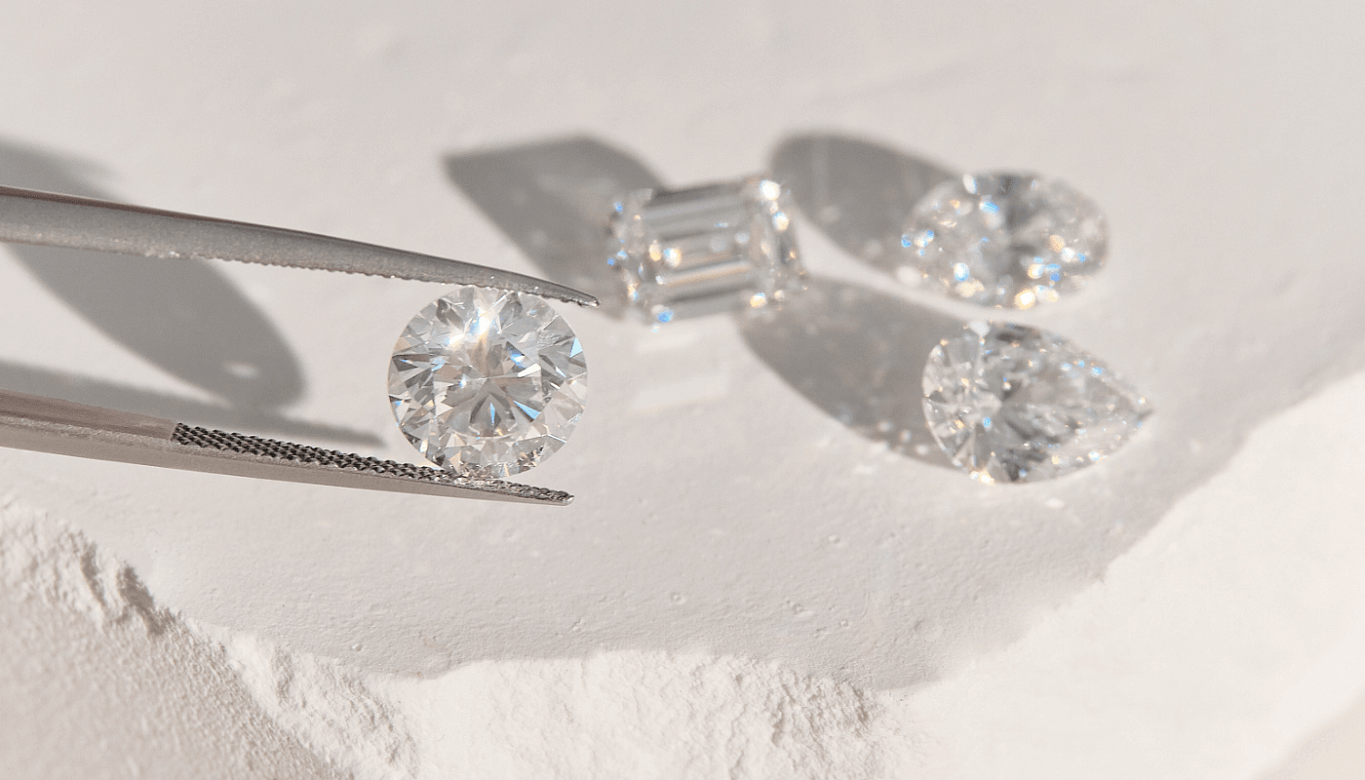
Natural diamonds can be sourced responsibly when suppliers follow strict standards for labour, community impact, and environmental care. On the other hand, lab grown diamonds are created using advanced technology that avoids traditional mining altogether.
Both options can be considered ethical, as long as they meet transparent sourcing and certification requirements. This gives you the freedom to choose between the timeless allure of a mined natural stone or the innovation of a lab-grown alternative.
If you want to dig deeper into their differences and unique qualities, have a look at our dedicated lab-grown diamonds vs. natural diamonds guide.
Understanding how diamonds are ethically sourced involves looking at mining practices. Industrial mining companies are under increasing pressure to operate responsibly, using modern technology to reduce environmental impact.
By contrast, artisanal mining often takes place in vulnerable communities. Ethical sourcing here means ensuring miners are paid fairly, work safely, and benefit directly from the trade. For buyers, this distinction matters. Knowing where and how a diamond was extracted adds depth to its beauty.
One of the biggest considerations in the conversation about ethics is the environment. Traditional diamond mining can involve large-scale land disturbance, energy consumption, and water use. In some regions, it has also been linked to habitat loss and pollution.
The move toward more ethically sourced diamonds places sustainability at the forefront. Responsible mining companies now invest in land rehabilitation, water recycling, and reduced carbon emissions. On the other side, lab grown diamonds present an alternative that eliminates the need for excavation altogether, although they do require energy to produce.
As consumers grow more conscious, the question is no longer just “what is an ethical diamond”, but also how that diamond impacts the planet. Choosing jewellers who are transparent about their practices, like GS Diamonds, is a key step in making a sustainable choice.

Yes, ethical diamonds are real, natural stones found deep in the earth, provided they come with the necessary certifications. But they can be lab-grown too! It all depends on your choice.
The ethical diamond's meaning lies in responsibility at every step, from the mine to the craftsman, to the final piece on your hand.
Ethical diamonds are not necessarily more expensive. Prices depend more on the 4Cs of diamonds -cut, colour, clarity, carat- than on sourcing.
In fact, lab-grown diamonds are often more affordable than their mined counterparts, while still offering the same sparkle and durability. This makes them an excellent choice for buyers who want both value and peace of mind!
If you want to make sure your choice aligns with your values, here’s how:
By doing this, you will know that your diamond represents integrity and respect.
So, what are ethical diamonds? They are diamonds that shine with both beauty and conscience. Responsibly sourced to ensure they do no harm and, where possible, create lasting good. Whether you choose responsibly mined stones or lab-grown, you are making a statement about the values you want to celebrate in your relationship.
At GS Diamonds, we are proud to offer ethically sourced natural diamonds and cutting-edge lab grown diamonds, always giving you options that best fit your love story.