The rich red glow of a ruby has captivated people for thousands of years. We get it. At GS Diamonds, we absolutely love working with this incredible stone.
Whether you’re exploring rubies for their beauty, symbolism, or as a meaningful gift, this complete ruby gemstone guide will help you understand everything you need to know before choosing one.
From ruby gemstone quality and pricing, to its meaning and how to care for it, you’ll get clarity to one of the world’s most treasured precious stones.
So let’s start with the basics.
Rubies are the red variety of corundum, one of the hardest minerals on earth. With a hardness of 9 on the Mohs scale, the ruby gemstone is extremely durable, perfect for rings and everyday fine jewellery.
Their vivid colour comes from traces of chromium. Because pure red corundum is rare, rubies are considered one of the “Big Three” precious gems, alongside sapphires and emeralds.
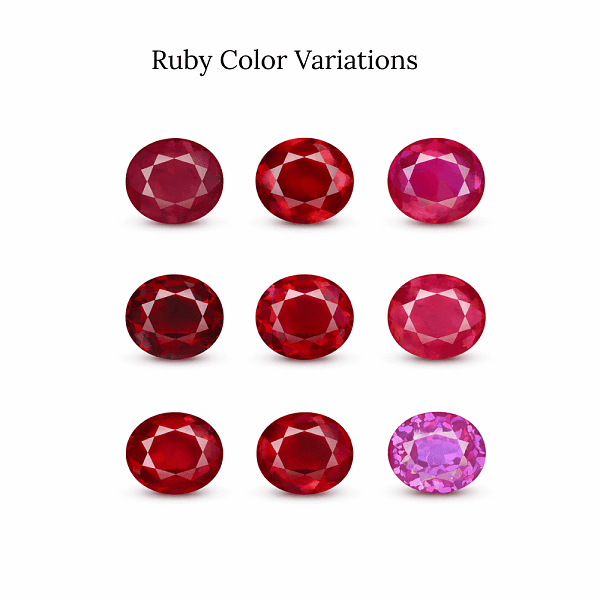
The value of a ruby is strongly tied to its colour. The most sought-after shade is a deep, vibrant red often referred to as “pigeon blood”.
However, ruby beauty doesn’t follow one strict rule. Many people love pinkish-red, vivid red, or more muted tones depending on personal taste.
Key factors that define the ruby gemstone’s quality include:
The richer and more saturated the red, the more valuable the ruby. Look for a bright, even tone with good depth.
Rubies often contain natural inclusions. Those with fewer visible marks are rarer and more valuable.
A well-cut ruby enhances brilliance and colour. Oval, cushion and pear cuts are especially popular.
Larger rubies are extremely rare. A small increase in size can create a significant jump in this gemstone’s price.
Historically called the “king of precious stones”, rubies carry some of the richest symbolism of any gem. Their fiery colour has long made them a symbol of life, passion and vitality.
Traditional ruby meanings include:
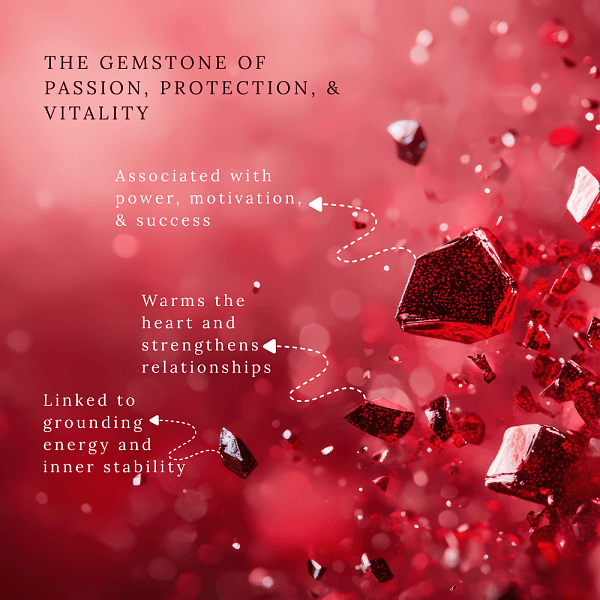
Love and passion: Ruled by the Sun, rubies were believed to warm the heart and strengthen relationships.
Courage and protection: Warriors in ancient cultures wore rubies as talismans for strength.
Prosperity and confidence: The vivid red hue is associated with power, motivation and success.
Emotional resilience: Rubies are often linked to grounding energy and inner stability.
As the birthstone, the ruby is thought to align deeply with confidence and joy, making it a meaningful gift for birthdays, anniversaries or personal milestones.
Learn about all gemstones’ symbolisms with our Gemstone Meaning Guide.
Rubies are the birthstone for the month July. Known as the gemstone of passion, protection and vitality, they’re believed to bring courage and emotional strength to the wearer.
The ruby’s connection to astrology is strong, particularly in Vedic traditions. Rubies are associated with the Sun, representing leadership, confidence and prosperity.
They are commonly recommended for Leos, but anyone drawn to the stone’s energy can wear it.
If you’re wondering how to check your ruby gemstone’s authenticity, here are some reliable signs from our experts:
Genuine rubies often show tiny natural imperfections. Perfect clarity usually indicates a synthetic stone.
Natural rubies may have slight colour variations when viewed closely.
With a hardness of 9, rubies can scratch glass or metal, but this is NOT a recommended at-home test.
The safest way to confirm authenticity is through gemological certification.
If you’re unsure how to identify a real ruby gemstone, always buy from trusted jewellers, like GS Diamonds.
Rubies vary widely in price depending on quality. Factors that influence the ruby’s value include colour, clarity, size, origin, and treatment.
In general:
The cost of the ruby gemstone rises sharply with carat size, as high-quality large rubies are incredibly rare. Prices can start from around $300 and climb well into the thousands.
If you’re looking for the perfect ruby gemstone, ask for help from a specialist who can guide you to the best option based on your budget.
Shop Loose Ruby Gemstones with GS Diamonds
Natural rubies
Formed over millions of years, these are the most valuable and sought after. GS Diamonds offers only natural gemstones.
Heat-treated rubies
The majority of rubies on the market are heat-treated to enhance colour and clarity. This is a standard and accepted practice.
Synthetic rubies
Created in labs, these have identical chemical properties but significantly lower value. For long-term worth, natural rubies remain the preferred choice.
It’s not easy going at it alone -without the help of an expert- but if you have to, use these tips when selecting a stone:
If you’re still unsure how to pick the best ruby gemstone, visit our showroom and we’ll be happy to answer all your questions.

Rubies are strong and durable, but care keeps them looking brilliant. Here’s what you can do to make sure your ruby stays bright and brand-new:
With proper care, your ruby will shine for generations.
Absolutely. Thanks to their hardness and vibrant colour, rubies work beautifully in custom jewellery pieces, from engagement rings to pendants. They pair well with yellow, white or rose gold settings.
Some rubies show slight shifts in tone depending on the light source, often appearing deeper red in warm light and slightly more purple in cooler light. This isn’t the same as colour-change gemstones, but it’s a natural characteristic buyers should be aware of.
Yes! High-quality natural rubies hold strong long-term value and are considered highly collectible.
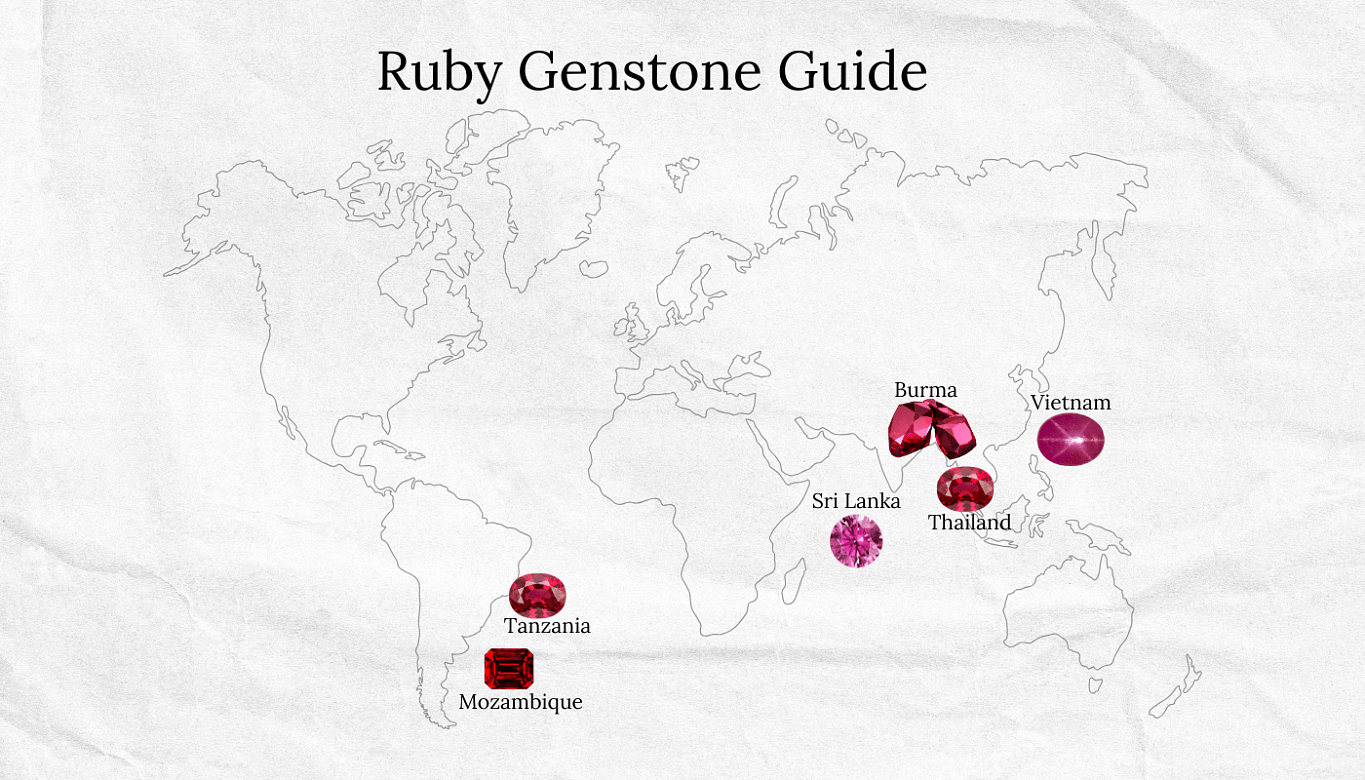
Rubies are mined in several countries, with Myanmar, Mozambique and Sri Lanka known for producing high-quality stones. Origin can influence a ruby’s value, but colour and clarity matter most.
Of course! Rubies are durable and ideal for daily wear, but you should still consider your girlfriend's taste and style when choosing a gemstone for her engagement ring.
By now you already know: a ruby is much more than a red gemstone. Whether chosen for beauty, symbolism or personal meaning, it’s a timeless treasure.
Use this expert ruby gemstone guide to choose confidently and find a natural ruby that feels perfect for your jewellery, or explore all natural gemstone options from our extensive collection.