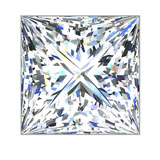
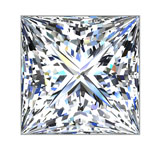
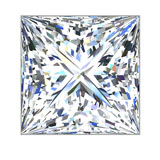
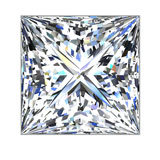
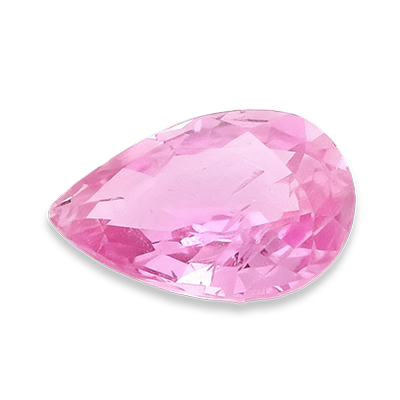
The shape of a stone is admired as much as the sparkle. Round Brilliant Cut, Princess Cut, Emerald Cut and more, take a closer look at size and shape to find the stone you love.
The shape of a stone is admired as much as the sparkle. Round Brilliant Cut, Princess Cut, Emerald Cut and more, take a closer look at size and shape to find the stone you love.
Some light loss. Reflects most light but not as brilliantly as higher grade cuts.
Colour
Colour
Colour
D
E
F
G
H
I
J
K
L
M
Faint Yellow (M)
Noticeable colour. Not typically recommended for colourless diamond jewellery.
Carat
Diamond carat (ct) measures a diamond’s weight, with 1 carat equal to 200 milligrams. Carat should not be confused with visible size, as two diamonds of the same weight can look different depending on their shape, cut and proportions. Dimensions are often a better guide to how large a diamond will appear, while higher carat weights generally also come with higher prices.
Setting price may increase for larger carat sizes.
Carat
Diamond carat (ct) measures a diamond’s weight, with 1 carat equal to 200 milligrams. Carat should not be confused with visible size, as two diamonds of the same weight can look different depending on their shape, cut and proportions. Dimensions are often a better guide to how large a diamond will appear, while higher carat weights generally also come with higher prices.
Setting price may increase for larger carat sizes.
Clarity
Clarity
Clarity
FL
IF
VVS1
VVS2
VS1
VS2
SI1
SI2
Slightly Included 2
Inclusions are visible under 10x magnification and may be visible with an unaided eye. More inclusions than SI1.
A diamond's polish refers to the smoothness of its facet surfaces after cutting. Excellent or Very Good polish means the cutter's wheel has left no visible marks, allowing light to pass in and out cleanly. Poor polish can dull a diamond's brilliance, so it's worth looking for the highest grade your budget allows.
Select
Select
Symmetry
Symmetry describes how precisely a diamond's facets align and mirror one another. Well-symmetrical diamonds reflect light more evenly, maximising sparkle and fire. Minor symmetry variations are often invisible to the naked eye, but Excellent or Very Good symmetry ensures the diamond performs at its best.
Select
Select
Depth %
Depth percentage is the height of a diamond from table to culet, expressed as a proportion of its width. The ideal range varies by shape, but getting it right is critical, too shallow and light escapes through the bottom, too deep and it leaks out the sides. Both reduce brilliance.
Select
Select
%
%
Table %
The table is the large flat facet on top of a diamond. Table percentage measures it as a proportion of the diamond's overall width. A well-proportioned table directs light deep into the stone and back to your eye, contributing significantly to a diamond's brilliance and visual impact.
Select
Select
%
%
L:W Ratio
Length to width ratio compares a diamond's longest dimension to its shortest, giving you a sense of its outline. A ratio of 1.00 means a perfectly square stone, higher numbers produce a more elongated look. Personal preference rules here, whether you love a classic square or a slender, elegant shape, the choice is yours.
Select
Select
Fluorescence
Some diamonds emit a soft glow, usually blue, under ultraviolet light. In most cases, fluorescence has little effect on appearance in daylight and can even make faint-colour diamonds look whiter. Strong fluorescence occasionally gives a diamond a slightly hazy look, so it's worth considering alongside colour grade.
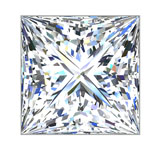
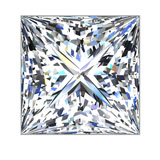
When it comes to choosing the right stone for an engagement ring, don't go past a princess cut!
Popularity of Princess-cuts
Princess cut diamonds make up only approximately 15% of diamond purchases now. It is almost the next most common option for diamond engagement rings. It is obvious because this square contour cut is fresh, chic and high in sparkle.
Certification
All the loose diamonds that you see in our online inventory come with the original GIA Grading certificate, which is the most trusted grading report in the world. Most diamonds are laser inscribed on the girdle with their identification sign for your peace of mind.
GIA provides the best help with their clarity grades. Still, it is essential to know that each buyer will have an individual desire. The catalogue provides a universal guide for deciding clarity in round diamonds.
Princess cut engagement ring
Princess cut stones delight in stylish princess cut diamond engagement rings collections. But princess cut diamonds should be set with prongs that preserve the four corners (the most possible place for chipping). Other rectangle cuts (such as Emerald, Asscher, and Radiant) have cropped angles.
Check other shapes from our range of loose diamonds
Still a questions about the configuration or other features of a diamond? Go to our article:how to choose a diamond. Ask a diamond expert online for explanations. A specialist will reply to any inquiries you have, and if you prefer, explore for diamonds that meet your standards.
You can get a bigger princess cut gem for the same price you would pay for a round brilliant cut diamond of similar measurement and quality. This is because princess cuts produce fewer losses during the cutting, which moves out to a bigger yield, aka more carats for shorter.
A princess-cut diamond will seem bigger than a — for example — round cut diamond of the identical carat size. This is because princess cut diamonds have larger tables (the top of a crystal) than round cut gems, making them bigger in look.