The sapphire gemstone is one of the most admired coloured gemstones in the world, known for its rich colours, durability and long history in fine jewellery.
While many people immediately associate sapphire with deep blue tones, this gemstone actually appears in a wide range of colours and varieties.
Understanding the sapphire gemstone’s meaning, properties, colours and value can help you appreciate why it remains such a popular choice for engagement rings, heirloom jewellery and collectors.
Whether you're curious about its symbolism, its shades or its value, this guide covers everything you need to know. So, let's go!
Many people ask, is sapphire a gemstone? Well, the answer is yes. Now that we’ve covered that, let’s look a little deeper.
The sapphire gemstone is a variety of the mineral corundum, the same mineral family as ruby. The difference between the two is colour: red corundum is classified as ruby, while every other colour of corundum is considered sapphire.
This makes sapphire one of the most versatile gemstones available today.
Because of its hardness and brilliance, the sapphire gemstone has been used in jewellery for centuries and it’s one of the most durable gemstones, suitable for everyday wear.
These sapphire gemstone properties are one of the main reasons it is often chosen for rings, including engagement rings.
The sapphire gemstone meaning has long been associated with wisdom, loyalty and protection. Historically, many cultures believed sapphires brought clarity of thought and spiritual insight.
Some well-known symbolism linked to sapphires includes:
Because of this symbolism, sapphire gems are often chosen for meaningful jewellery pieces such as engagement rings or anniversary gifts.
In modern gemstone traditions, sapphire is also associated with calmness and balance, which contributes to the perceived sapphire gemstone benefits for emotional wellbeing.
The sapphire birthstone is traditionally associated with September, making it the official sapphire gemstone month.
As a birthstone, sapphire symbolises loyalty and sincerity, which is why it has historically been connected to romantic jewellery and lifelong commitments.
Birthstone jewellery featuring sapphire is a popular gift for:
You can explore all birthstones and their symbolism in our gemstones by month guide.
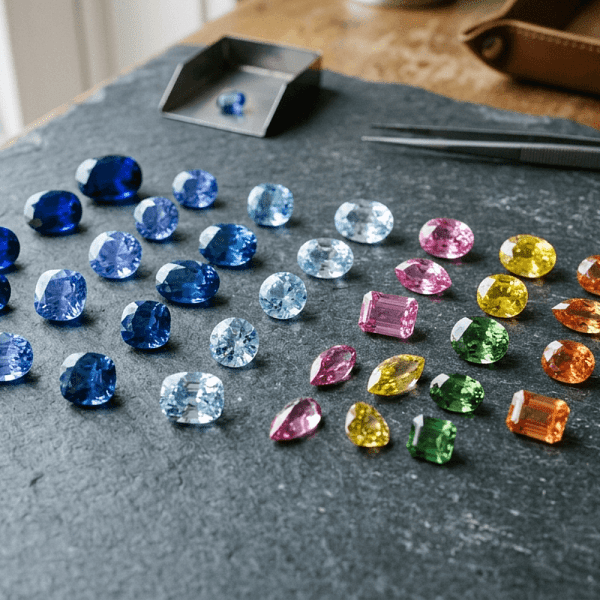
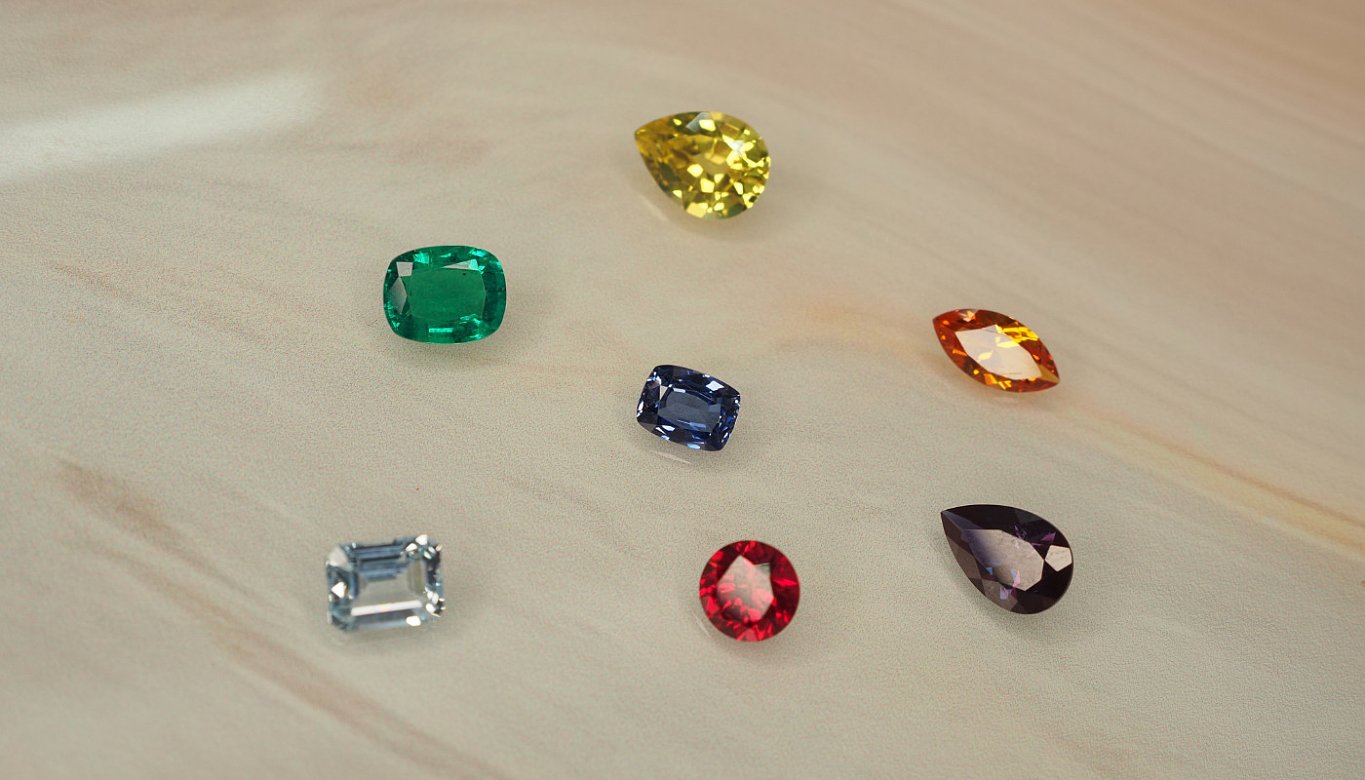
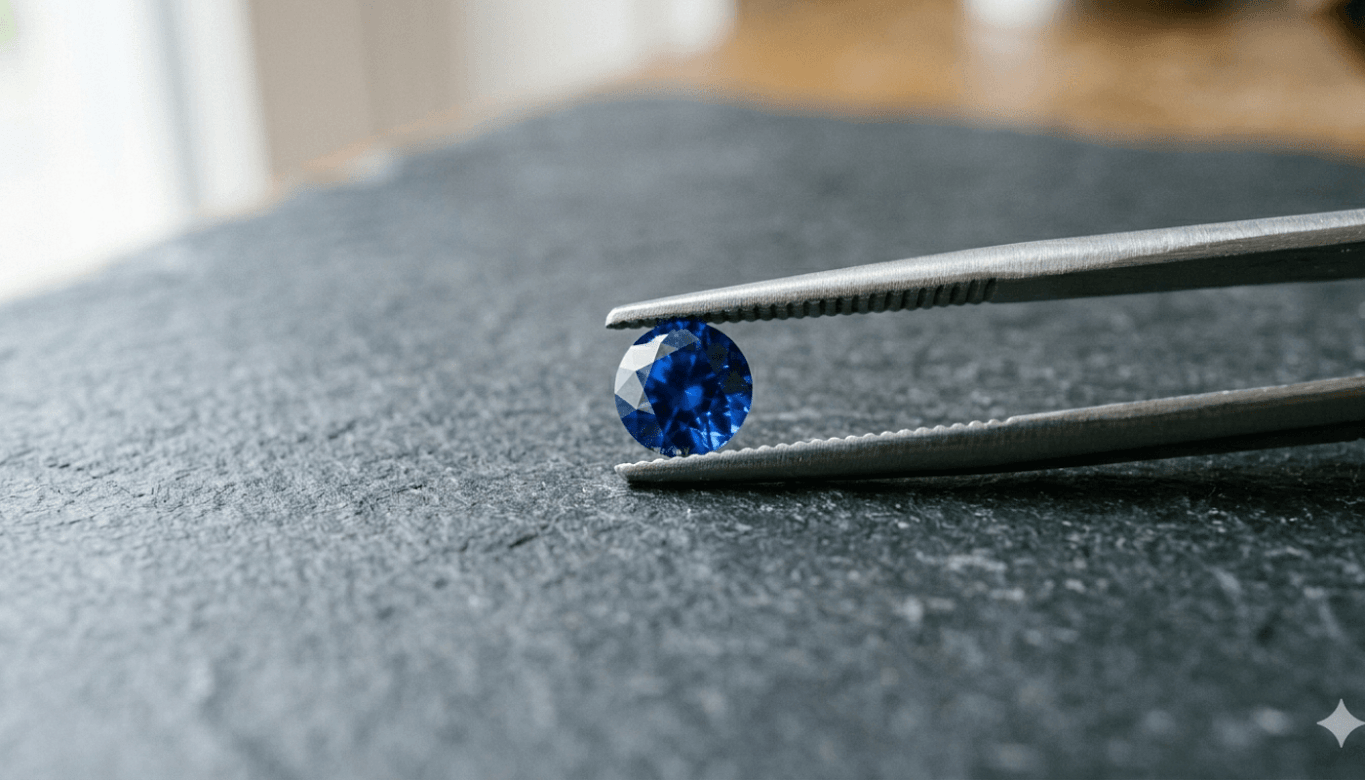
When people ask what colour is a sapphire gemstone, the first answer that comes to mind is usually deep blue. However, sapphires actually come in a wide variety of shades.
Some of the most common colors of sapphire gemstone include:
The only colour not considered sapphire is red, which is classified as ruby.
Among all varieties, the most valuable blue sapphires typically display a rich, velvety tone often associated with stones from Kashmir, Sri Lanka and Myanmar.
These natural variations in colour create a broad range of types of sapphire gemstone, giving jewellery buyers many options depending on personal taste.
One of the reasons sapphire remains so popular is its exceptional durability.
Important sapphire gemstone properties include:
Because sapphires are extremely durable, they are ideal for pieces worn regularly, including rings and bracelets.
These properties are why sapphires are often used in engagement rings alongside diamonds.
You can explore gemstone jewellery options in the GS Diamonds jewellery collection.
The sapphire gemstone’s price and value can vary significantly depending on several factors, including:
A sapphire with strong, vivid colour and balanced tone is usually the most valuable. For example, highly saturated royal blue sapphires tend to command premium prices.
Most sapphires contain natural inclusions, but stones with better clarity -that are eye clean- are typically more valuable.
Larger stones become exponentially rarer, which means sapphire’s price per carat increases significantly with size.
Certification from reputable gemological laboratories plays a key role, verifying the gemstone’s authenticity, origin and any treatments.
High-quality natural blue sapphires can range anywhere from A$300 to well over A$100,000, depending on rarity and carat.
There are several well-known types of sapphire gemstone, and it mostly comes down to colour hue:
The most classic and recognised sapphire variety.
A rare pink-orange sapphire highly valued by collectors.
This sapphire displays a star-shaped light effect known as asterism.
These include pink, yellow, green and purple sapphires.
Each type offers unique colour characteristics and can be used in a variety of jewellery designs.
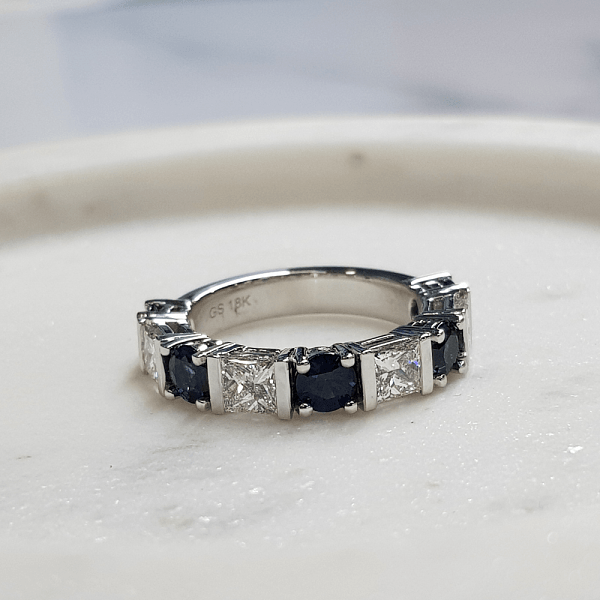
As we mentioned before, because of their durability and beauty, sapphires are widely used in fine jewellery.
Most popular sapphire jewellery includes:
Sapphires are especially popular in engagement rings for people who want something distinctive while still maintaining durability.
If you're considering a coloured gemstone engagement ring, this guide to the best gemstones for engagement rings offers further inspiration.
Here are a few interesting sapphire gemstone facts:
These historical and scientific facts contribute to the sapphire gemstone's lasting popularity.
If you're buying a sapphire for the first time, consider the following factors:
It is also important to purchase sapphires from reputable jewellers who provide transparent information about gemstone origin and quality.
Understanding the sapphire gemstone meaning, properties and pricing helps you choose a stone that suits both your style and budget.
The sapphire gemstone continues to captivate jewellery lovers thanks to its rich meaning, durability and remarkable colour range.
From classic blue stones to rare coloured varieties, sapphires offer beauty and versatility that few gemstones can match.
Whether chosen for its symbolism, durability or striking colour, sapphire remains one of the most timeless gemstones used in fine jewellery today.
At GS Diamonds, sapphire is a favourite of ours. Explore our gemstone collection and find the perfect piece for you.