How to invest in diamonds is a question many make when looking beyond traditional assets like shares or property. Diamonds are timeless, portable and valuable, but that doesn’t automatically make them a straightforward investment.
Before deciding whether diamonds belong in your portfolio, it’s important to understand how diamond investment actually works, what holds long-term value, and where expectations need to stay realistic.
Diamonds are not a get-rich-quick asset, but when chosen carefully, they can play a huge role in preserving and even generating wealth over time.
This question doesn’t have a one-size-fits-all answer.
Diamonds do not generate income, pay dividends or trade on a public exchange. Their value is driven by rarity, quality, market demand and timing at resale. Historically, high-quality natural diamonds have shown price stability over long periods, particularly rare stones with exceptional characteristics.
For this reason, diamonds are generally viewed as a long-term store of value, rather than a speculative or short-term investment.
Whether it is worth investing in diamonds depends on what you expect from the asset.
Diamonds may suit people who:
They may be less suitable for those seeking fast liquidity or predictable returns. Diamond values can fluctuate, and resale prices depend heavily on quality and market conditions.
When exploring investing in diamonds, quality and education matter far more than trends.
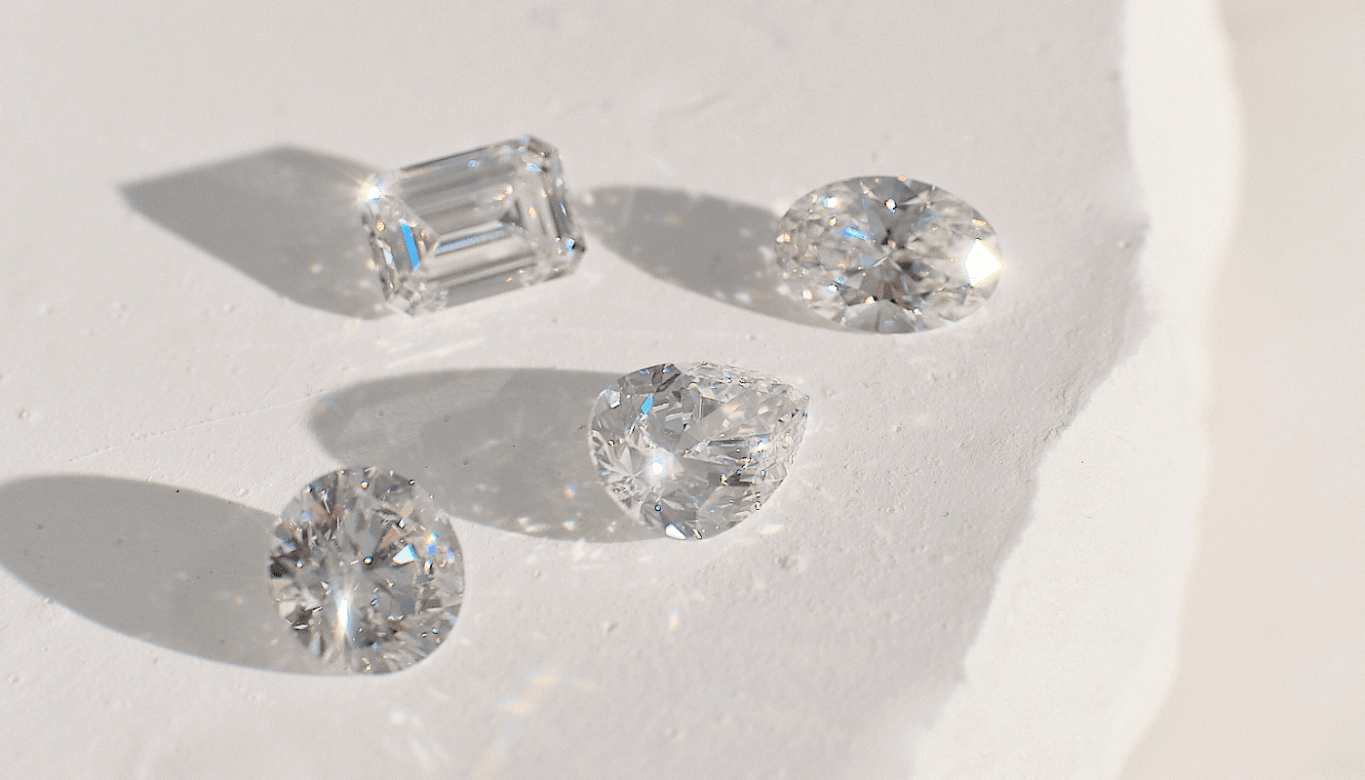
Natural diamonds are traditionally associated with long-term value retention due to their finite supply and established secondary market.
Lab-grown diamonds, while chemically identical and an excellent choice for jewellery, currently behave differently in the resale market. Prices have become more accessible as production scales, which makes them appealing for wear, but less predictable as investment assets at this stage.
Rather than being “good” or “bad”, natural and lab-grown diamonds simply serve different purposes.
Investment-grade diamonds tend to prioritise:
Certification from internationally recognised laboratories is essential.
One exceptional diamond generally holds value better than several average stones. Rarity is what supports long-term demand.
Diamonds are usually resold through auctions, private dealers or specialist buyers. Retail pricing does not reflect resale value, so understanding exit options is crucial.
When people ask about the best diamonds to buy for investment, professionals typically look to:
Fashion trends, settings or brand names matter far less than the quality of the stone itself.
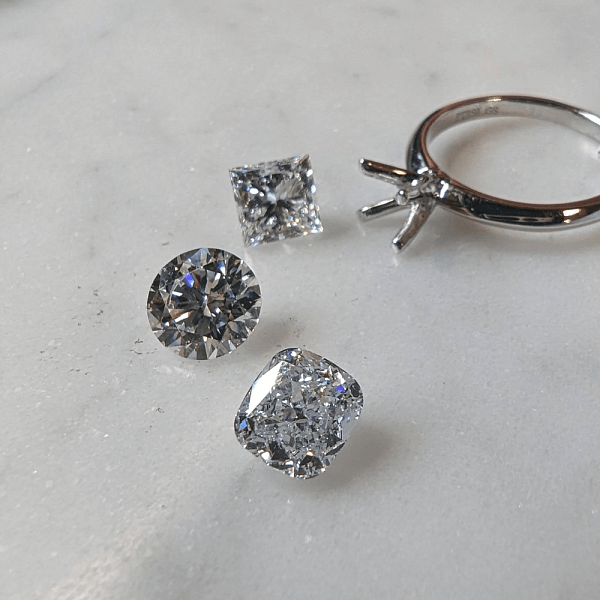
The key difference when comparing investing in diamonds vs gold, is liquidity.
Gold has transparent pricing and instant tradability. Diamonds offer portability and timeless durability, but require expert valuation and a suitable buyer.
For many, diamonds act as a complementary and more valuable asset, rather than a replacement for traditional stores of value.
So, are diamonds worth investing in? They can be, when approached with the right mindset.
Diamonds are best suited to long-term ownership, careful selection and realistic expectations. Whether you’re learning how to invest in diamonds or simply exploring their value beyond jewellery, education and expert guidance make all the difference.
For tailored advice, consult the GS Diamonds experts and explore our curated selection of natural diamonds and lab-grown diamonds to make an informed choice.