Precious gemstones have held their status for centuries due to their rarity, durability and exceptional beauty. In other words, for good reason.
When people search for precious stones and gemstones, they’re usually referring to a specific group of stones recognised as the most valuable and historically significant.
In this guide, we’ll break down what precious gemstones are, explore the types of precious gemstones, and explain what makes certain stones more valuable than others.
Precious gemstones are a small group of naturally occurring minerals valued for their exceptional rarity, durability and beauty.
To be classified as “precious”, a gemstone typically meets key criteria such as high hardness, strong colour, and long-standing historical significance in jewellery and trade.
Traditionally, the term refers to four stones:
These four precious gemstones are recognised for their rarity, hardness and long-standing cultural significance.
While modern gemology focuses more on quality than classification, this traditional grouping is still widely used when discussing the most precious gemstones.
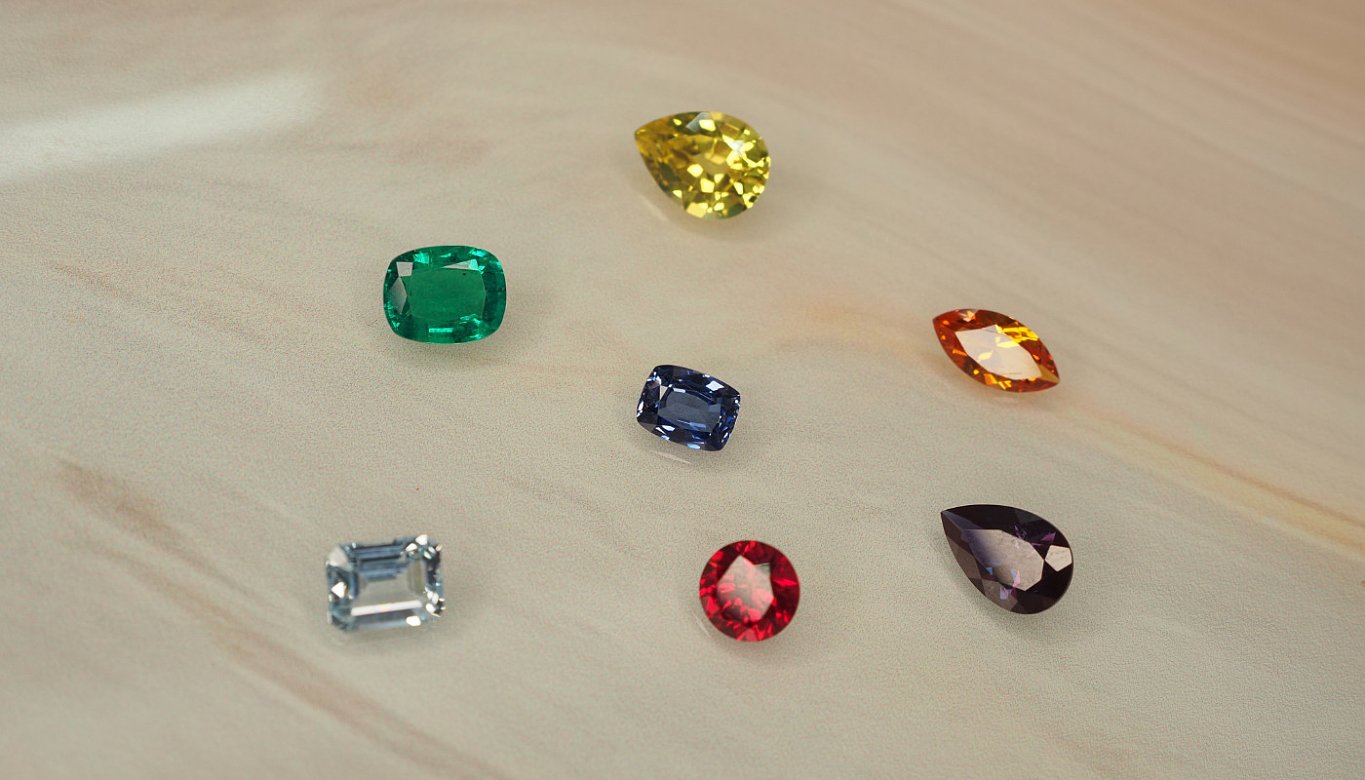
When looking at the types of precious gemstones, each stone stands out for different reasons:
The hardest natural material on earth, natural diamonds are known for their brilliance and durability.
They are often considered the most precious gemstone in the world in commercial terms due to demand and versatility.
Recognised for its deep red colour, ruby is one of the rarest gemstones. High-quality rubies can rival or exceed diamonds in value, especially those with vivid colour and minimal inclusions.
Although commonly associated with blue, sapphires come in a wide range of colours. Their durability and versatility make them one of the most popular precious gemstones for jewellery.
Emeralds are prized for their rich green colour. While they are softer than other precious stones, their unique appearance and rarity make them highly desirable.
You can also explore how these gemstones are chosen for proposals in our guide to the best gemstones for engagement rings.
There isn’t a fixed list in order of value, as pricing depends on quality, rarity and demand. However, generally:
In some cases, rare rubies or sapphires can surpass diamonds in price, which is why the most precious gemstones list is not strictly fixed.
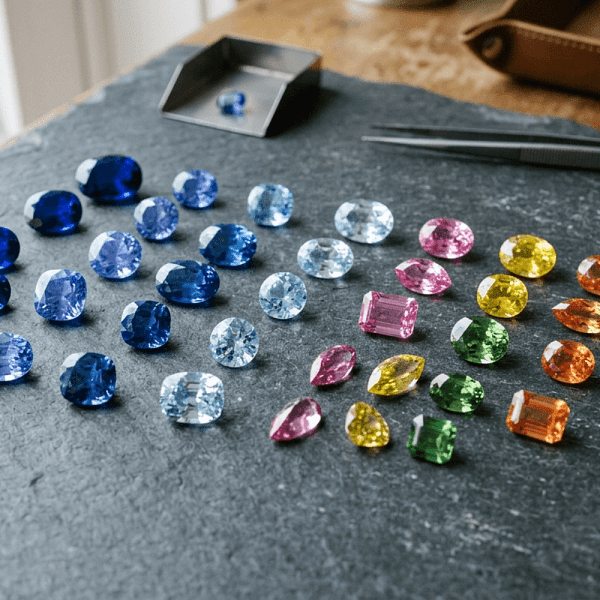
There is no single answer to what is the most precious gemstone.
So when asking “what are the most precious gemstones”, it depends on whether you prioritise rarity, beauty or global demand.
Depending on each of them, there are generally several factors that determine the value of precious gemstones:
The fewer high-quality stones available, the higher the value. However, rarity is not just about the gemstone itself, but the availability of fine-quality specimens.
For example, diamonds are widely available, but truly exceptional diamonds are rare. In contrast, fine rubies and certain sapphires are scarce even at smaller sizes, which significantly increases their value.
Colour is often the most important value factor in precious gemstones. Stones with vivid, well-saturated colour and even distribution are the most desirable.
Even slight variations in tone or saturation can dramatically impact price, making colour one of the most critical factors in valuation.
Clarity refers to the presence of internal inclusions or external blemishes. While fewer inclusions typically mean higher value, expectations vary by gemstone type.
In some cases, inclusions can even help confirm authenticity and origin, particularly in coloured gemstones.
A well-executed cut maximises a gemstone’s brilliance, colour and overall visual appeal. Unlike diamonds, where cut grading is standardised, coloured gemstones rely heavily on the cutter’s skill.
A poor cut can make even a high-quality stone appear dull, while a well-cut gemstone enhances light performance, symmetry and perceived size.
Certain origins carry historical prestige and market demand, which can significantly increase value.
Origin alone doesn’t determine value, but when combined with high quality, it can elevate a gemstone into the top tier of the market.
Many precious gemstones undergo treatments (such as heat treatment for sapphires or oiling for emeralds) to improve appearance.
While common, untreated stones are significantly rarer and often command premium prices. Transparency about treatments is essential in determining true value.
Larger gemstones are exponentially rarer than smaller ones, meaning price increases sharply with size, not linearly.
For example, a high-quality 2-carat ruby is far more than double the price of a 1-carat equivalent, especially in rare stones like ruby and sapphire.
Certification from reputable, independent third-parties provides verification of a gemstone’s authenticity, origin and treatment status.
This adds confidence for buyers and plays a key role in pricing, particularly for high-value stones.
Although, rarity is not just about the gemstone type, but also the quality within that category.
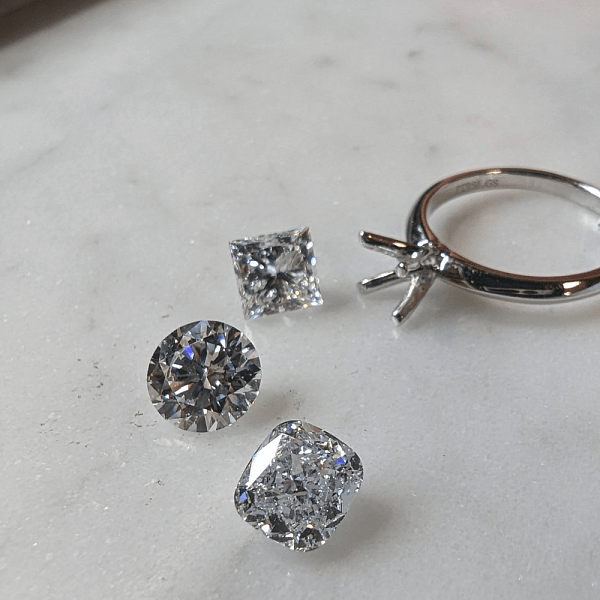
Each of the types of precious gemstones serves a different purpose in jewellery:
You can explore how these stones are used in real designs through the GS Diamonds jewellery collection or browse a wider selection in the gemstones collection.
Beyond value, many people choose precious gemstones for their symbolism.
Each stone carries meaning related to:
For a deeper dive, you can explore gemstone symbolism in our gemstone meanings guide or discover birthstone connections in the gemstones by month guide.
Understanding what precious gemstones are goes beyond just knowing their names. These stones represent a combination of rarity, history and enduring beauty that no other materials on earth can match.
Precious gemstones have a way of always feeling timeless. That’s a given. And at GS Diamonds, we’re here to help you find the one that also feels just right for you.